Flags containing red appear across the world as bold expressions of identity, sacrifice, and shared memory. Many nations, regions, and movements incorporate red to signal courage, blood, revolution, or warmth, turning fabric into a powerful visual statement.
Whether in historic battles, modern protests, or festive national days, red on a flag captures attention and conveys layered meanings. This guide explores the languages of color, politics, and culture woven into flags that prominently feature red.
| Flag | Country or Region | Key Colors | Primary Symbolism of Red |
|---|---|---|---|
 |
China | Red, Yellow | Revolution, sacrifice, prosperity, and the leadership of the Communist Party |
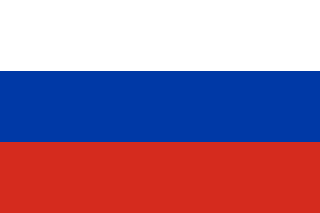 |
Russia | White, Blue, Red | Historical heraldry, courage, and the blood of defenders |
 |
Turkey | Red, White | Ottoman legacy, independence struggle, and secular identity |
 |
Philippines | Blue, Red, White, Yellow | War readiness, liberty, and national resilience |
Historical Origins of Red in Flags
Red has long been a pigment of power in heraldry and banners, long before modern flags emerged. Early uses drew from readily available dyes and associated red with vitality, blood, and the sun.
Over centuries, red migrated from royal emblems to revolutionary standards. The spread of republican and nationalist movements in the eighteenth and nineteenth centuries cemented red as a color of defiance, social change, and collective identity.
Political Movements and Red Flags
Socialism, Communism, and Labor Movements
Across Europe, Latin America, and Asia, left‑leaning parties adopted red to represent workers’ solidarity and Marxist ideals. National flags such as those of China and Vietnam integrate red to underline socialist principles and state direction of the economy.
Independence and Resistance
Red also appears in flags tied to anti‑colonial struggles and independence campaigns. It can signify the blood shed in liberation wars and a commitment to self‑determination, as seen in the flags of many post‑empire nations.
Cultural and Emotional Meanings
Cultures interpret red differently, shaping how it is expressed on flags. In some societies, red conveys joy, celebration, and prosperity, while in others it emphasizes sacrifice, courage, and spiritual fervor.
Design choices such as shade, placement, and accompanying symbols determine whether the red reads as revolutionary, martial, festive, or unifying. These nuances affect public perception and memory.
Modern Design and Usage
Contemporary flag designers balance historical resonance with clarity and visibility. Standards for fabric, stitching, and color calibration ensure that flags containing red remain vivid in civic ceremonies, sports, and international events.
Communities debate updates to flags containing red to better reflect current values, leading to proposals, legal frameworks, and careful revision processes. Such discussions highlight how symbols evolve alongside society.
Key Takeaways and Recommendations
- Recognize the dual meanings of red: celebration and sacrifice, across different flag traditions.
- Consider historical context when interpreting the symbolism of a flag with red.
- Follow official guidelines for respectful display and use of flags containing red.
- Stay informed about ongoing discussions regarding flag design and symbolism in your community.
FAQ
Reader questions
Why is red so common on national flags compared to other colors? Red is easy to produce with durable natural dyes, visible from distance, and historically linked to power and conflict, making it a pragmatic choice for state symbols. Does a red stripe on a flag always mean blood or revolution?
Not always; context matters. Some flags use red to signal valor or historical struggle, while others emphasize prosperity, unity, or cultural identity without direct reference to violence.
How do manufacturers ensure consistent shades of red on flags across different materials? Producers rely on color standards, Pantone references, and controlled dyeing processes to maintain uniformity in scarlet, crimson, and burgundy tones across fabrics and finishes. Can flags with red be used in sensitive political contexts?
Yes, flags containing red may be adopted by opposing groups, so official protocols, display rules, and etiquette guide how and when they are presented to reduce misunderstanding.